
Warmer floors in winter
Insulation under the floor reduces the chill rising through timber floorboards. Rooms heat up faster and stay warmer, so you can set the thermostat lower and still feel comfortable.
Meadow Heights
Underfloor insulation stops cold draughts coming up through suspended timber floors in Meadow Heights homes. We install glasswool or polyester batts between the floor joists from the subfloor to keep your floors warmer in winter.
Share your details and Expert Insulation Melbourne will contact you about Underfloor Insulation in Meadow Heights.
Many Meadow Heights homes have suspended timber floors with a crawl space underneath. Without insulation, cold air rises through gaps in the floorboards and around the edges, making rooms feel chilly and forcing heaters to work harder. Underfloor insulation is installed from below, fitting batts between the floor joists to block draughts and add thermal resistance. It is a straightforward job when there is enough access under the house, and it makes a noticeable difference to comfort and energy bills.
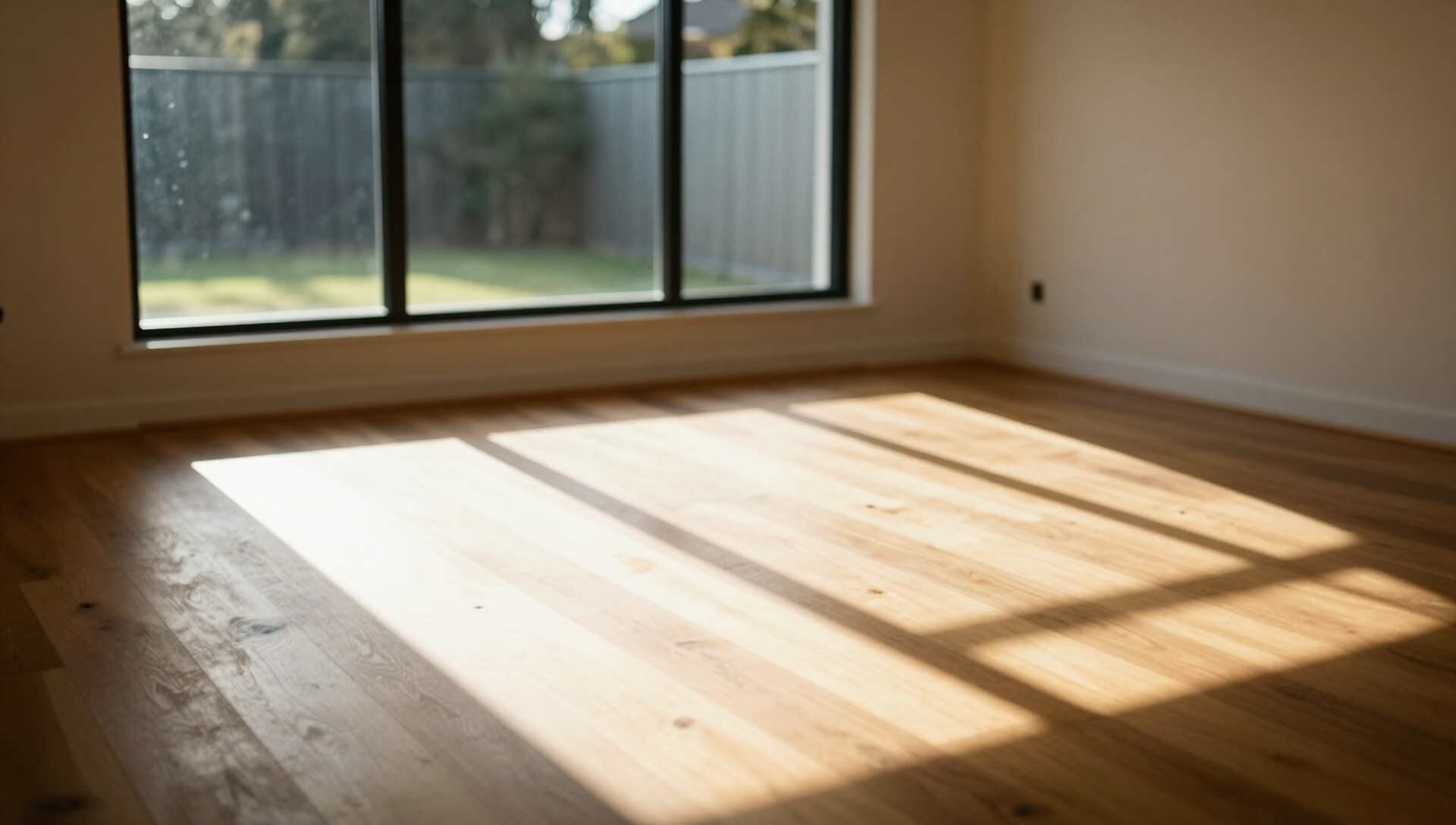
Meadow Heights has cold winters with strong winds that can penetrate under the house. Older brick veneer and weatherboard homes often have uninsulated suspended floors, leading to cold feet and higher heating costs. Underfloor insulation addresses these issues directly.
Insulation under the floor reduces the chill rising through timber floorboards. Rooms heat up faster and stay warmer, so you can set the thermostat lower and still feel comfortable.
Gaps between floorboards and around skirting let cold air in. Underfloor batts block these draughts, making the whole room feel less breezy and more consistent in temperature.
With less heat loss through the floor, your heater runs for shorter cycles. This can cut winter energy bills, especially in older homes with poor sealing.
While the main benefit is winter warmth, underfloor insulation also slows heat entering from the ground in summer, keeping floors cooler on hot days.
Cold floors are most noticeable in bedrooms first thing in the morning and in living rooms where you sit on the floor. Insulating under these areas makes the whole house more liveable.
The work is done from the subfloor, so there is no need to lift floorboards or move furniture. Access through the crawl space is usually all that is required.
We start with a quick look under your house to check access, joist spacing and the condition of the subfloor. Then we measure up and install the batts to fit snugly between the joists.
We confirm there is enough crawl space to work safely and that the area under the floor is dry. If there is old insulation, we note whether it needs removal first.
Batts are cut to the exact width between joists so they stay in place without gaps. We use the R-value you choose, typically R1.5 to R2.5 for underfloor applications.
Working from the subfloor, we fit the batts between each joist, ensuring full coverage and no compression. We keep clear of pipes, cables and any existing services.
We check for any remaining gaps around the edges and between batts, and seal them with appropriate tape. Then we remove all offcuts and leave the subfloor tidy.
Meadow Heights has a mix of brick veneer and weatherboard homes, many built in the 1970s and 1980s with suspended timber floors. These houses often lack underfloor insulation, leading to cold floors and higher heating costs in winter. The suburb’s exposure to cold winds makes this problem worse, as draughts can enter under the house and rise through the floorboards. Installing underfloor insulation is one of the most effective ways to improve comfort and reduce energy use in these homes.
Stop cold draughts through suspended floors in Meadow Heights with underfloor batts installed from the subfloor.
Homeowners in Meadow Heights often ask about access, R-values and whether their house is suitable. Here are the key points to consider before booking.
Underfloor insulation in Meadow Heights targets the cold draughts that rise through suspended timber floors in older brick veneer and weatherboard homes. By installing glasswool, polyester or rockwool batts between the floor joists from the subfloor, we block the airflow that makes floors feel icy in winter. This is a common issue in Meadow Heights, where many houses were built without underfloor insulation and now suffer from poor thermal performance.
The process is straightforward when there is adequate crawl space access. We check the subfloor for moisture, measure the joist spacing, and cut batts to fit snugly without gaps. Typical R-values for underfloor range from R1.5 to R2.5, depending on your budget and climate needs. The result is warmer floors, fewer draughts and lower heating costs, especially in bedrooms and living areas where cold air is most noticeable.
Meadow Heights homeowners should consider underfloor insulation if their floors feel cold to touch, rooms take longer to warm up, or they notice draughts coming up through the floorboards. It is a cost-effective upgrade that complements ceiling insulation and draught proofing. For houses with limited subfloor access or very low clearance, we can advise on the best approach during the initial inspection.
Book an inspection for underfloor insulation in Meadow Heights. We will check access, measure your subfloor and provide a quote for batts to suit your home.